
If you’re exploring options for pain relief or recovery, you may be comparing acupuncture vs dry needling. Because both approaches use thin needles, they’re often assumed to be the same—but they’re built on different philosophies, training paths, and treatment goals.
This article is designed to clarify dry needling vs acupuncture in a balanced, educational way, while highlighting the unique acupuncture benefits that lead many people to choose it as their primary form of care.
What Acupuncture Is Designed to Do
Acupuncture is a complete medical system with thousands of years of clinical history and growing modern research support. Rather than focusing on a single muscle or symptom, acupuncture helps regulate the nervous system, circulation, and inflammatory response—systems that influence pain, healing, and overall health.
A licensed acupuncturist evaluates patterns in the body, considering factors such as:
- Where pain appears
- When it worsens or improves
- Stress levels
- Sleep quality
- Digestion and energy
- Hormonal or inflammatory influences
This whole-person lens is central to acupuncture and helps explain why its effects often extend beyond pain relief alone.
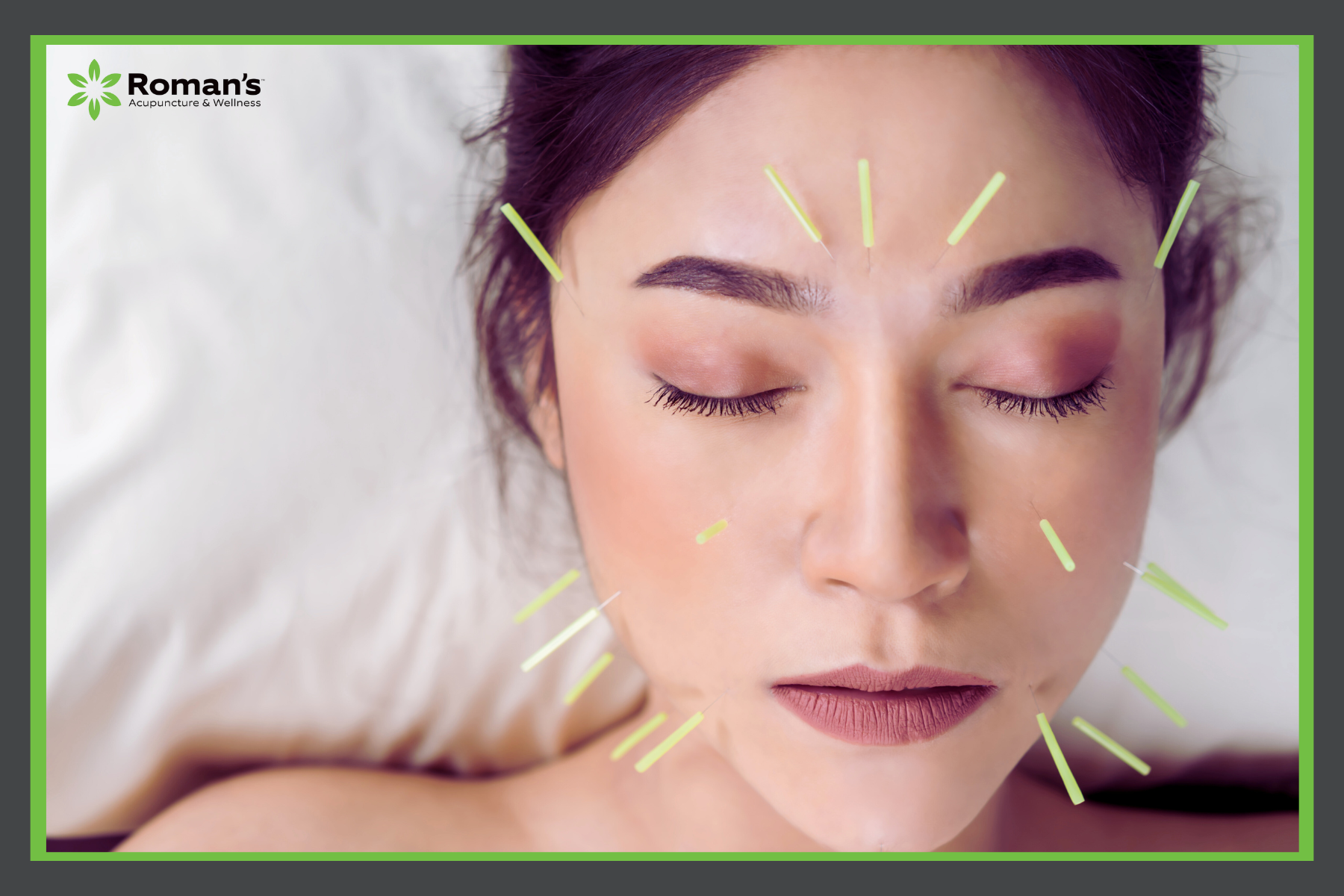
Common acupuncture benefits include:
- Reduced pain and inflammation
- Improved circulation and tissue healing
- Nervous system regulation (calmer, more relaxed state)
- Improved sleep quality
- Stress and anxiety reduction
- Support for chronic and complex conditions
For many people, pain relief is just one part of a broader shift toward a sense of balance and resilience.
What Is Dry Needling?
Dry needling is a modern technique most commonly used by physical therapists or chiropractors. Its primary focus is the treatment of myofascial trigger points—tight or sensitive areas within muscles that can contribute to pain or restricted movement.
The goal of dry needling is localized and mechanical: to release muscle tension, improve range of motion, and reduce discomfort in a specific area.
Key features of dry needling:
- Targets muscles and trigger points
- Often used alongside physical therapy or rehabilitation
- Focuses on localized symptom relief
- Typically applied in shorter, targeted sessions
For certain musculoskeletal issues—especially acute or injury-related muscle tension—dry needling can be a helpful tool within a broader treatment plan.
Acupuncture vs Dry Needling: A Difference in Scope
When comparing acupuncture vs dry needling, the most important difference is scope, not the needle itself.
Acupuncture:
- Addresses the entire system, not just the site of pain
- Aims to regulate how the body processes pain and stress
- Uses a consistent diagnostic framework
- Is often used for both acute and chronic conditions
Dry needling:
- Focuses on specific muscle tissue
- Addresses localized dysfunction
- Is typically condition- or injury-specific
- Is often combined with exercise-based rehab
Neither approach is inherently “better”—they simply serve different purposes.
Nervous System Effects: A Key Distinction
One of the reasons many people gravitate toward acupuncture is its well-known effect on the parasympathetic nervous system—the part of the nervous system responsible for rest, repair, and recovery.
During acupuncture treatments, patients often report:
- Deep relaxation
- A sense of calm or clarity
- Improved sleep following sessions
- Reduced stress-related pain flare-ups
Dry needling, by contrast, tends to focus on eliciting a local muscular response. For some individuals, this can feel invigorating and helpful; for others—especially those with chronic pain, heightened stress, or nervous system sensitivity—a gentler regulatory approach may feel more supportive.
Understanding how your body responds to stimulation is an important part of deciding between dry needling vs. acupuncture.
Training and Professional Focus
Another distinction between acupuncture vs. dry needling lies in professional training.
Licensed acupuncturists complete graduate-level education dedicated entirely to acupuncture and East Asian medicine. This training includes:
- Extensive needle technique education
- Anatomy and physiology
- Neuroscience and safety
- Clinical diagnosis and treatment planning
Dry needling is typically learned as an additional skill layered onto another licensed profession, such as physical therapy. While practitioners are trained to work with muscles and movement, their overall scope and clinical focus differ from those of an acupuncturist.
Both paths require licensure and continuing education—but they reflect different clinical priorities.
Why Many People Choose Acupuncture for Ongoing Care
For people dealing with chronic or recurring pain, acupuncture is often chosen because it addresses factors that commonly sustain pain over time, such as:
- Stress and nervous system tension
- Inflammation
- Sleep disruption
- Hormonal shifts
- Emotional load
Because acupuncture works with these interconnected systems, its effects can feel more comprehensive and longer-lasting—especially when pain is not purely mechanical.
This is one reason many individuals who initially try localized approaches later seek out Morgantown acupuncture as part of a long-term wellness strategy.
Can Acupuncture and Dry Needling Be Complementary?
In some cases, yes.
Dry needling may be useful for addressing a specific muscular restriction, while acupuncture can support:
- Nervous system recovery
- Overall pain regulation
- Stress reduction
- Whole-body balance
The key is thoughtful integration—using each approach where it fits best, rather than assuming they serve the same role.
Morgantown Acupuncture: A Whole-Body Perspective
If you’re exploring Morgantown acupuncture, working with a licensed acupuncturist who takes time to understand your full health picture is essential.
At Roman’s Wellness Center, acupuncture is offered within an integrative model of care that emphasizes:
- Safety and individualized treatment
- Nervous system regulation
- Long-term wellness support
- Collaboration with other therapies when appropriate
The goal is not just symptom relief, but helping your body function more efficiently over time.
For many people, the wide-ranging acupuncture benefits—from pain relief to improved sleep and stress resilience—make acupuncture an appealing choice, particularly for chronic or multifactorial concerns.
Curious about acupuncture?
If you’d like to learn more about acupuncture or schedule a Morgantown acupuncture session, our team at Roman’s Wellness Center is here to help you explore a thoughtful, whole-body approach to healing.
Call 304.322.0093 or contact us online to schedule or learn more!